Linen Weaves Unveiled: How Weave Styles Shape Comfort and Care
Explore the core linen and cotton weave types used in premium bedding, how they influence texture, drape, and temperature regulation, and why understanding these details helps you choose sheets and duvet covers with confidence. We’ll also demystify common care needs for different weaves to keep fabrics looking and performing their best.
A quick primer on weave families
Weave is the unsung architect of comfort. The way fibers interlock determines how a fabric feels against the skin, how it drapes on the bed, how it breathes, and how wrinkles behave in daily life. In premium bedding, you’ll encounter four broad families that repeatedly surface: percale, sateen, plain weave, and jacquard. Each brings a distinct hand feel and performance profile, and all share one common thread: quality rests on precision of the weave and the finish that follows.
- Percale: a crisp, matte finish with a cool hand and a breathable feel. Traditionally a 200–500 thread count, percale weaves promote airflow, making them a favorite in warmer climates or for sleepers who sleep hot.
- Sateen: a luxuriously smooth hand with a subtle sheen. A sateen weave tends to feel warmer and drape more softly, delivering a gentle glow to the bed.
- Plain weave: the simplest, most durable construction, delivering a balanced texture that sits comfortably between crispness and softness.
- Jacquard: a weaving method that creates intricate patterns and textures directly into the fabric, offering visual depth and tactile interest without additional embroidery.
How weave affects texture, drape, and temperature
Texture and temperature are two sides of the same coin. The weave discipline interacts with fiber type to determine how a fabric feels and how it regulates heat and moisture. We’ll break down common pairings and typical outcomes observed in premium bedding lines.
Percale with cotton or linen
Percale weaves produce a crisp, breathable surface that wears like a well-cut shirt—neat, cool, and comfortable. When paired with cotton or linen, percale’s air channels open, promoting airflow to keep you cool through warm nights. The result is a surface that feels refreshingly clean and slightly matte, with minimal sheen.
Sateen with long-staple cotton or Supima
Sateen’s satin-like surface emerges from a higher yarn-to-fabric ratio and a weave that yields a soft, luxurious hand. Fabrics like 600-thread-count Supima cotton sateen offer a subtle glow and a smooth, drapey finish that can feel warmer to the touch, and they often improve with a few washes as the fibers relax.
Jacquard and embroidery techniques
Jacquard weaving introduces pattern and texture without resorting to surface embroidery. The raised textures and subtle shadows add dimension to a bed ensemble, especially in lighter colorways where the weave pattern becomes a design feature rather than a separate decorative element.
Match weave type to climate and sleeping temperature
Choosing the right weave is less about fashion and more about physiology. Temperature regulation, moisture management, and breathability all hinge on weave density, thread count interpretation, and fiber choice. Below are practical guidelines drawn from premium bedding brands like Naturepedic and Sferra to illustrate how different combinations perform in real-world environments.
- Hot climates or thermal sleepers: lean toward a crisp percale on breathable cotton or linen. Percale’s weave promotes airflow, preventing heat buildup, and linen adds natural moisture-wicking and temperature regulation.
- Seasonal shifts and mild climates: a balanced plain weave with mid-weight cotton provides dependable all-season comfort without overwhelming warmth or chill.
- Luxurious lounging or cooler environments: sateen with long-staple cotton or Supima can offer a comfort-first, soft-handed surface that feels cozy without being weighty, especially when paired with a breathable linen layer underneath.
For example, Naturepedic’s organic linen sheets and Naturepedic’s linen duvet covers use a breathable linen structure that naturally regulates warmth, helping you stay comfortable in varied environments. Sferra’s Giza 45 or Luxor Egyptian cotton percale options show how a crisp percale or a refined sateen option can offer a different sensory and thermal profile while maintaining longevity and colorfastness.
Care considerations by weave
Care instructions are not just about washing. They should reflect the fabric’s weave, fiber, and finishing processes. Proper care preserves texture, sheen, and durability across the life of premium bedding. Here are practical guidelines tailored to common weave families:
- Percale: wash with like colors in warm water, tumble dry on a low setting, and remove promptly to minimize wrinkles. A gentle iron on a cotton setting helps restore a crisp surface after washing.
- Sateen: prefers a gentler touch in washing and a lower tumble dry heat to maintain the fabric’s smooth hand and sheen. Avoid over-drying to prevent stiffness; a light ironing heat helps maintain drape.
- Jacquard or embossed weaves: treat like delicate fabrics; avoid high heat and harsh agitation. Use a short, gentle cycle and consider a cooler water setting to protect the weave’s integrity, then lay flat or hang to dry if possible to preserve pattern depth.
- Linen-based weaves: linen’s natural fibers benefit from cool-wash cycles and line drying or low-heat tumble drying to minimize shrinkage and maintain texture. A plant-based softener helps preserve breathability without clogging fiber surface.
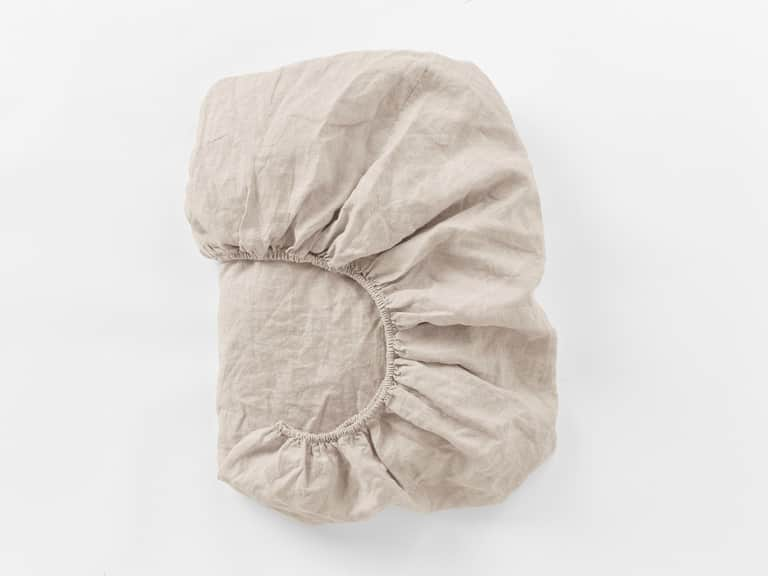
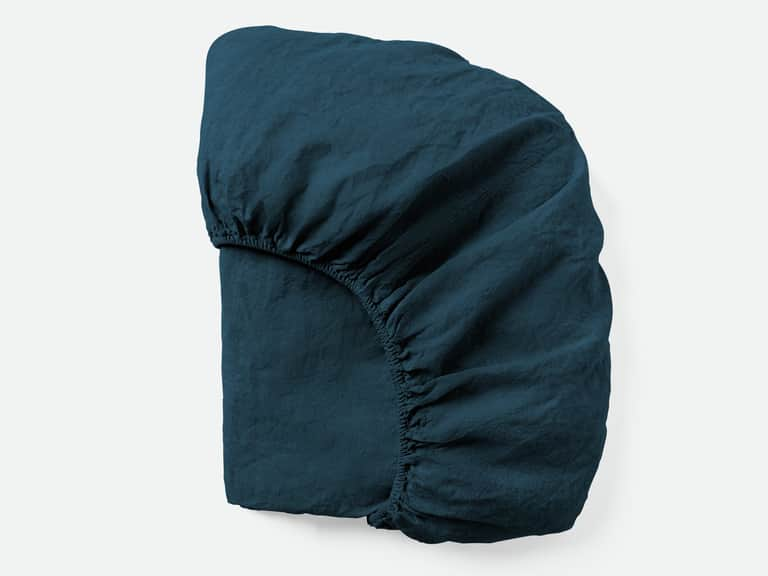
In practice, a sheet like Organic Relaxed Linen Fitted Sheet from Coyuchi demonstrates how linen’s structure responds to care: deep pockets, full elastic, and cuffs with pick stitching, paired with machine-washable guidance that respects linen’s natural drape and evolving softness over time. The product’s care language emphasizes gentle cycles and plant-based softeners, underscoring a philosophy of sustainable, low-impact care that aligns with scientific understanding of linen fibers.
Three key figures who shaped textile thought
From the loom to the laboratory, three influential figures—spanning different eras—help illuminate how weaving, textile science, and design sensibilities evolve over time. Their legacies live on in modern premium bedding through concepts of fiber ethics, texture, and texture-driven design philosophy.
1) Vitruvius (1st century BCE) — The Roman architect of textile thinking
While Vitruvius is best known for architecture, his insistence on proportion and function laid groundwork for orderly thinking about how materials behave in space. In textiles, that translates to how fiber structure and weave impact drape, texture, and practicality—principles echoed in modern bedding where weave and fiber choices govern comfort, durability, and care routines.
2) Florence Nightingale (1820–1910) — The nurse who elevated hospital textiles to a standard
Nightingale’s emphasis on sanitation and reliable, consistent environments helped elevate hospitality and medical textiles to a standard of care and reliability. In modern bedding, this lineage appears in careful standards and certifications (like GOTS and Oeko-Tex) that ensure textiles perform well under repeated washing and frequent use—essential in hospitality and home environments alike.
3) Lila de Nobili (20th century) — A designer who popularized tactile design in linens
Lila de Nobili represents how texture and finish can define mood and space. In today’s premium bedding, jacquard patterns, embroidery, and the interplay of matte versus slight sheen on fabrics reflect a modern continuation of that tactile design philosophy—where weave, texture, and color converge to shape interior ambience.
Product spotlight: Organic Relaxed Linen Fitted Sheet
Meet a standout piece in premium bedding: Organic Relaxed Linen Fitted Sheet from Coyuchi. This 100% organic flax grown in France and woven into linen in Portugal embodies breathability and timeless texture. With a generous 15-inch deep pocket, full elastic, and pick-stitched cuffs, it promises secure fit and quiet luxury for all-season comfort.
Care guidance emphasizes simplicity and sustainability: machine wash cold on a gentle cycle, tumble dry low, and warm iron if desired. The fabric’s organic provenance is certified, aligning with ethical sourcing and responsible production practices that matter to readers who value both texture and ethics.
Product Preview
Organic Relaxed Linen Fitted Sheet
Coyuchi • 100% Organic Linen • Deep Pocket
Note: Images are for illustrative purposes and reflect the product’s texture and design language as described by the brand.
Brand: Coyuchi
Glossary: quick reference to weave terms
- Thread count vs. fabric weight: thread count is not the sole determinant of quality; fabric weight and fiber quality also shape feel and durability.
- GOTS and Oeko-Tex: certifications that signal organic sourcing and safe chemical use in textiles, important markers for ethical, skin-friendly bedding.
- Hemming and cuff details: finishing touches that influence durability and the bed’s overall look.
Closing thoughts: choosing weaves with confidence
Weave isn’t just a technical specification; it’s a lived experience of how a sheet or duvet cover feels against your skin, how it drapes across your bed, and how it performs night after night after night. By understanding whether you prefer the crisp, cool hand of percale or the warm, silky drape of sateen, you can assemble a bedding ecosystem that supports better rest and longer-lasting fabric health. The premium bedding world—whether it leans toward Naturepedic linen or Sferra’s Giza 45 blends—celebrates that balance between tactile pleasure and practical care.
As you explore, remember to consider not just the weave, but the fiber’s origin, the finishing processes, and the certifications that demonstrate a commitment to quality and ethics. Weave is the thread; care, durability, and design are the tapestry.