Bedding guide
Luxury Pillowcases: How Fabric, Finish, and Fit Affect Comfort
A pillowcase may be one of the smallest pieces on the bed, but it is also the one your face meets night after night. The right choice can feel cool and crisp, smooth and silky, or softly textured—and can make everyday care simpler, too. Here’s how to look past the label and understand the details that matter.
Luxury is not a single fabric, a lofty thread-count number, or an elaborate border. It is the comfortable combination of fiber, weave, finish, construction, and fit. A pillowcase that feels wonderful in a store but twists around a too-large pillow—or requires a care routine you will never follow—may not be the best match for real life.
The good news: understanding pillowcase fabrics does not require a textile degree. A few useful questions can help narrow the field. Do you gravitate toward a cool, crisp surface or a soft, fluid one? Do you want the character of linen or the smoother feel of cotton sateen? Does your pillow need extra room, or do you prefer a close, tidy fit? Once you know what you enjoy, the smaller details become easier to evaluate.
Start with the fiber: what is the pillowcase made from?
Fiber is the starting point for a pillowcase’s feel and performance. The way a textile behaves also depends on yarn quality, weave, and finishing, so a fiber name alone cannot tell the entire story. Still, it offers a useful first clue about texture, breathability, durability, and care.
Linen: relaxed texture with a lived-in feel
Linen is made from flax fibers. In bedding, it is known for a visible natural texture and a hand that may feel pleasantly crisp at first, then become more supple with laundering and use. It can suit people who like their bed to look relaxed rather than perfectly pressed. Linen’s characteristic irregularities are part of its appearance; they are not necessarily signs of poor quality.
Weight and weave affect how a linen pillowcase feels. A lighter cloth may feel airy, while a heavier one can have more substance and drape. Finishes such as garment dyeing or stone washing can make the surface feel softer from the outset. If you are considering linen pillowcases, look for clear information about fiber content, fabric weight when provided, origin claims, and washing instructions—not just evocative words such as “European” or “washed.”
One example is the Classics Geneva Pillow-case, described as 100% linen with a flange finish and a weight of 165 g/m². Its specifications identify a Belgian Linen label, which indicates Belgian weaving with European flax yarn. That is a useful illustration of how a product description can distinguish the fiber, finish, weight, and origin rather than treating “linen” as a complete explanation.
Cotton: a versatile choice with many different feels
Cotton can be woven into fabrics that feel quite different from one another. Percale commonly has a crisp, matte hand, while sateen usually feels smoother and has a subtle sheen. Those descriptions are tendencies rather than guarantees: yarn, finishing, and fabric weight all influence the result. Cotton pillowcases are widely available, and care is often straightforward, but the instructions on the specific item should always take priority.
Long-staple cotton refers to cotton fibers that are longer than average. Longer fibers can be spun into smoother yarns, but the term should be considered alongside weave and construction. A high thread count alone is not proof that a pillowcase will be more comfortable or durable.
Silk and other fibers: know the care trade-off
Silk has a smooth surface and a distinct drape. Some people choose it for that sleek feel against hair and skin. Its care needs can be more exacting than those of many everyday cotton or linen cases, and the fiber may call for a delicate wash method or careful air drying. Always check the label before laundering. Blends and manufactured fibers can offer other combinations of softness, price, and easy care, but their performance varies by construction and finish.
Weave and surface: crisp, smooth, or textured?
Fiber tells you what the yarn is made from; weave describes how yarns cross to form cloth. That structure has a major influence on the way a pillowcase feels. The same broad fiber category can produce markedly different surfaces, so weave is worth checking whenever the information is available.
- Percale: Often associated with a crisp, breathable, matte feel. It may appeal to sleepers who like a fresh, cool-handled surface.
- Sateen: Typically smoother and more fluid, with a gentle luster. It can feel soft against the cheek, though the actual hand depends on the fabric’s yarns and finishing.
- Plain-weave linen: Shows the natural character of flax and often has a relaxed, tactile surface. Texture can vary from fine and supple to more substantial.
- Special finishes: Washing, garment dyeing, or other finishing processes can change softness, color, and drape. Ask what the finish means in practical terms, especially if it affects care.
These terms describe different qualities rather than a simple ranking. A crisp percale is not automatically superior to a smooth sateen, and a textured linen is not automatically more breathable than every cotton fabric. The better choice is the one that suits your preferences and the conditions in which you sleep.
Thread count is only one part of the picture
Thread count is the number of threads counted within a defined area of fabric, but the figure does not capture everything that determines comfort. The fiber, yarn quality, weave, finishing, and manufacturing all matter. Nor is a larger number automatically a shortcut to better bedding. Different fabrics are judged by different characteristics; linen, for example, is commonly discussed through weight and texture rather than the same thread-count focus used for cotton sheets.
When a label highlights a high count, treat it as one specification among several. Look for the fiber content and weave, then consider whether the described hand matches what you enjoy. If those details are missing, the number by itself may leave you with more questions than answers.
Finish and construction: the details that shape everyday use
Finishing can soften a fabric, bring out a subtle sheen, or give it a more relaxed appearance. It may also affect how a textile behaves after washing. A pillowcase described as prewashed or stone-washed, for instance, may be intended to feel less crisp from the first use, while an untreated or more structured fabric may start with a firmer hand. Labels do not always use these terms consistently, so clear care instructions and specific descriptions are helpful.
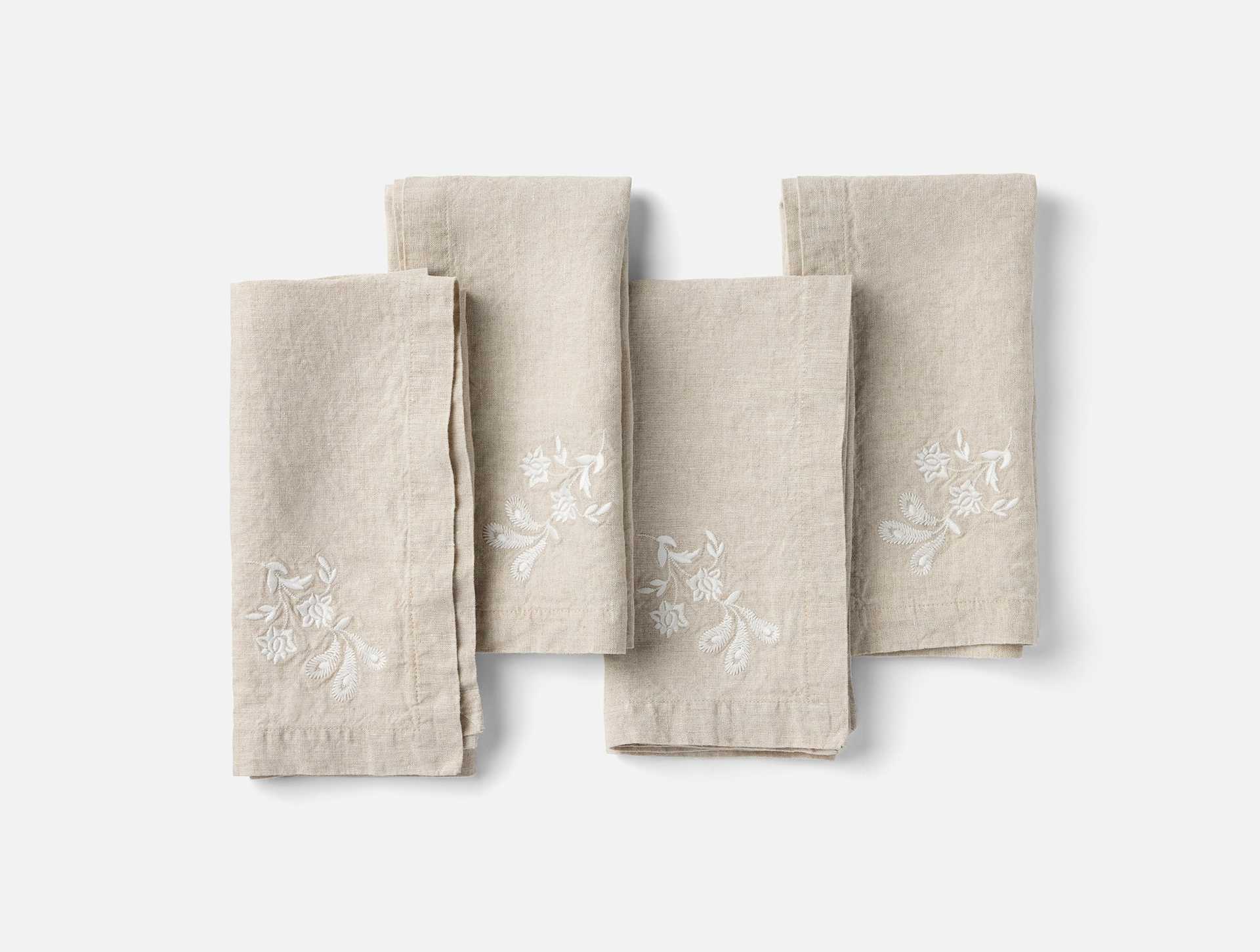
Construction deserves a close look, too. Check the seams for neat stitching and consider whether the fabric feels sturdy without being stiff. Decorative details such as a flange, hemstitch, or embroidered edge can add polish, but they do not replace a well-made seam. If you use a pillowcase every night, practical details—reinforced edges, durable stitching, and a closure that works for your pillow—are part of its comfort story.
Closures may include an open-ended envelope-style design, an internal flap, or buttons. An envelope closure can help keep a pillow tucked inside without adding a hard component near the face. Buttons may provide a more secure finish, but placement and comfort matter. Choose a construction that keeps the pillow in place without making the case cumbersome to remove and wash.
Pillowcase sizing: a better fit starts with measuring
A pillowcase can be beautifully made and still feel wrong if it does not fit the pillow. A case that is too short may pull against the seams or leave part of the pillow exposed. One that is too roomy can bunch up, shift during the night, or look untidy on the bed. A close fit usually looks neater, but it should not compress the pillow or strain the fabric.
Before choosing a size, check the pillow’s actual dimensions rather than relying only on a familiar label such as Standard, Queen, or King. Names and sizing conventions can vary. Measure the pillow from edge to edge while it is lying flat, and compare those measurements with the pillowcase dimensions supplied by the maker. If the pillow is especially full, firm, or unusually shaped, its thickness can affect how comfortably it fits into a case of the expected length and width.
- Read dimensions, not just size names. A case labeled “Queen” may not match every Queen pillow or regional convention.
- Account for pillow loft. A lofty pillow can need more space than a flatter one with the same basic width and length.
- Check shrinkage guidance. Some fibers or finishes may change slightly with laundering; follow care instructions and factor in any stated guidance.
- Consider the closure. A flap or button closure can affect how the case sits and how much interior room is available.
If you are between sizes, consider how you want the case to feel. A slightly roomier fit may be easier to put on and remove, while a closer fit can reduce excess fabric around the pillow. The goal is a smooth cover that stays in place without tugging at the seams.
Choose by the feel you love—not by someone else’s idea of luxury
Comfort is personal, and there is no universal winner among pillowcase fabrics. Someone who loves a crisp bed may prefer percale; someone else may want the smooth touch of sateen. Linen’s relaxed texture may feel welcoming to one sleeper and too substantial to another. If you are unsure, pay attention to the fabrics you already enjoy in clothing and bedding. Do you reach for cool, smooth cotton, or do you prefer a soft, tactile weave?
Think about the room and season, too, but do not assume that a particular fiber automatically guarantees a certain sleeping temperature. Fabric weight, weave, room conditions, and personal comfort all play a part. A breathable-feeling cloth may be appealing in warm weather, while a more substantial surface may suit someone who likes a cozy, grounded bed. Layering with the rest of your bedding can change the overall experience.
Skin and hair preferences may also influence your choice. A very smooth fabric can feel different from a textured one, especially for people who are sensitive to surface friction. But pillowcases are not medical treatments, and product claims about skin, hair, allergies, or sleep should be considered carefully. Choose a comfortable, washable surface, and follow professional advice for specific health concerns.
Care that protects the feel of the fabric
Care instructions are part of the buying decision, not an afterthought. A case that can be washed easily may be a better everyday fit than one with a more delicate routine, even if both feel lovely. Use the care label for the specific item: recommended temperatures and drying methods differ between products and fibers.
- Wash like with like. Separate colors as appropriate and avoid washing delicate pillowcases with items that have hooks, rough zippers, or other features that can snag fabric.
- Use the recommended cycle. A gentle cycle may be suitable for delicate or fine fabrics, while other cases can tolerate a more routine wash. Follow the product instructions.
- Be measured with detergent. Use the amount and type appropriate to the load and fabric. Residue can affect how cloth feels.
- Choose drying settings carefully. High heat can be hard on many textiles. If the care label permits tumble drying, use the stated setting and avoid over-drying.
- Store clean, fully dry cases. Keep them in a dry, ventilated place and avoid compressing damp fabric into a drawer.
Wrinkles are not necessarily a flaw. Linen, in particular, is often valued for its relaxed appearance, and many people prefer its natural creasing to a pressed finish. If you like a smoother look, iron only as directed and use the appropriate temperature. Do not assume every fabric needs ironing—or that every “easy-care” claim means the same thing.
A practical checklist before you choose
When comparing luxury pillowcases, it helps to slow down and read the full description. These questions keep the decision focused on what you will notice and use:
- What is the fiber content, and is the item a single fiber or a blend?
- What weave or surface finish is identified?
- Are fabric weight, origin, or certification claims explained clearly?
- What are the finished dimensions, and do they suit the pillow you own?
- How does the case close, and will that construction be comfortable for you?
- Can you comfortably follow the recommended laundry routine?
- Does the fabric’s described texture sound like something you will enjoy every night?
Certifications can provide useful information about defined aspects of production, but they are not a substitute for reading the material and care details. If a certification is mentioned, look for the name of the standard and what it covers. Likewise, country-of-origin statements can refer to different stages of textile production, so specific wording is more informative than a broad label.
The quiet luxury of getting the basics right
The best pillowcase is not necessarily the most elaborate, the smoothest, or the one with the biggest number on its label. It is the one that feels good against your cheek, fits your pillow without a struggle, and can be cared for in a way that suits your routine. A lovely finish may make the bed feel more considered, but fiber, construction, and fit do the dependable everyday work.
Take a moment to check the specifications before choosing. A clear description should tell you what the case is made of, how it is finished, how it fits, and how to wash it. With those details in view, luxury becomes less about a vague promise and more about a personal, practical pleasure: settling into a bed that feels right.